As Google prepares Chrome for a post-quantum future, the performance realities of post-quantum cryptography (PQC) are coming into focus.
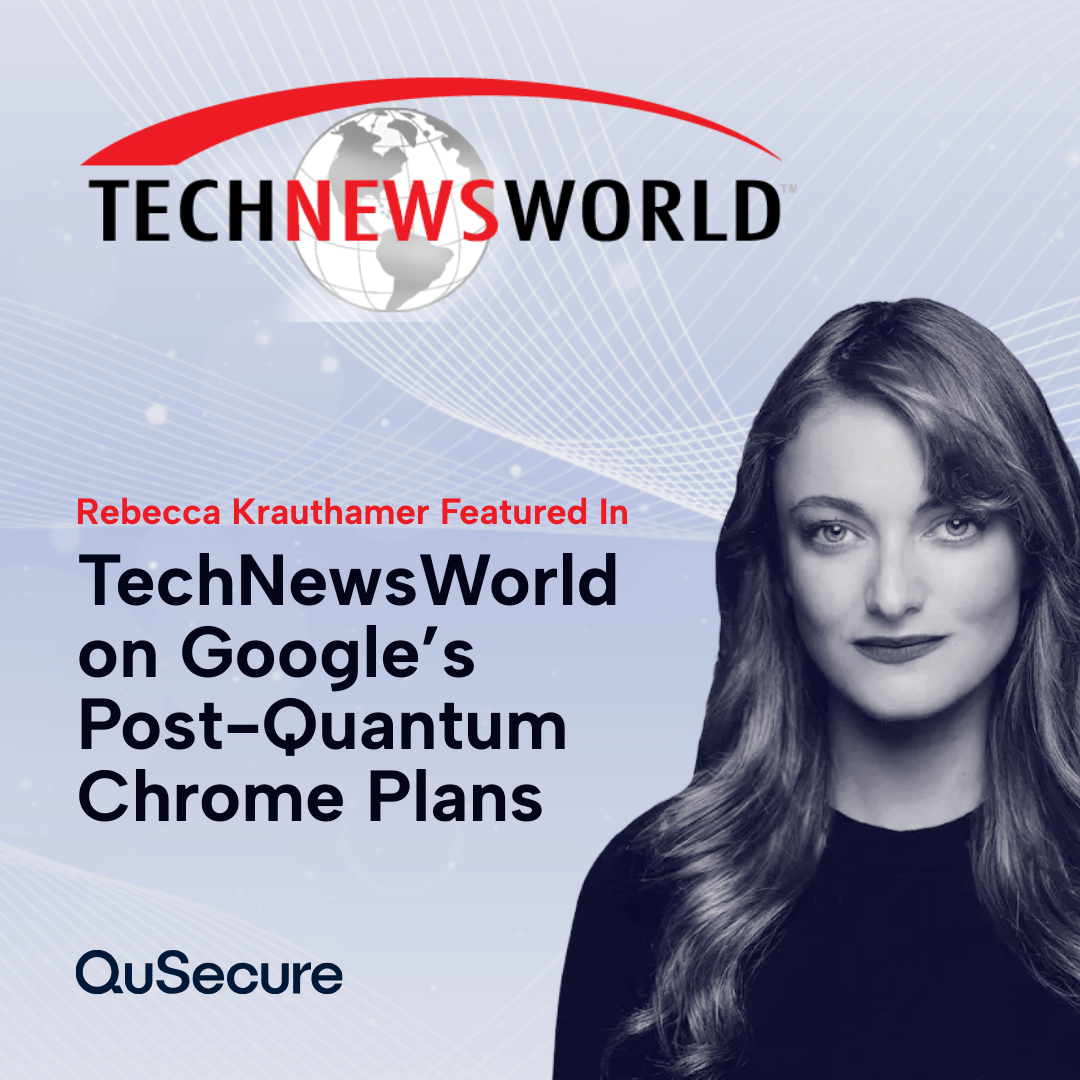
In a newly published TechNewsWorld article, Rebecca Krauthamer, CEO and Co-Founder of QuSecure, shared expert commentary on how larger post-quantum signatures impact the public web.
Browsers terminate TLS handshakes billions of times per day, and certificate authentication sits directly on the critical path for page loading. As Rebecca explained:
“Today’s public web handshake often carries multiple signatures and keys due to certificate chains and Certificate Transparency-related proofs. That overhead was tolerable with small classical signatures, but post-quantum signature and key material are substantially larger, which increases bytes on the wire, handshake time, and failure modes like fragmentation and stress on intermediaries.”
At internet scale, those increases matter.
“At internet scale, bigger handshakes become slower handshakes that create additional network congestion and significant challenges for connections with constrained bandwidth.”
The transition to quantum-safe security presents a greater opportunity beyond simply swapping algorithms. It demands addressing performance, certificate management complexity, and existing cryptographic debt across digital infrastructure.
As organizations prepare for the quantum era, crypto-agility (the ability to update and manage cryptography dynamically) will be critical to ensuring that PQC deployments strengthen security without degrading performance.
Google’s move signals that the shift to post-quantum cryptography is accelerating. Enterprises and federal agencies alike must prepare now.
Read the full article in TechNewsWorld here.